Quality control matters when selecting a plywood supplier because the purchase specification alone cannot guarantee consistent panels. APA’s PS 1-22 standard, revised in 2023, covers veneer grades, adhesive bonds, construction, dimensions, tolerances, moisture content, testing, marking, and quality assurance for structural plywood. A buyer therefore needs evidence that the factory controls each production stage, not only finished-sheet appearance. Thickness variation, poor bonding, core gaps, excess moisture, surface defects, and incomplete traceability can increase cutting waste and rejected parts. A stable supplier should be able to show measured production records from normal batches and connect test results to the plywood actually shipped.
Price comparison should start only after the buyer confirms what the supplier can manufacture repeatedly. Two panels sold under the same nominal size can differ in veneer species, veneer thickness, number of plies, core construction, glue system, sanding accuracy, face grade, and allowable defects. PS 1-22, for example, treats species, veneer grading, adhesive bonds, workmanship, dimensions, tolerances, moisture content, testing, certification, and quality assurance as separate manufacturing requirements rather than one general “quality” item.
That makes the production record more useful than a showroom sample. A supplier can select 5 attractive sheets for a buyer while a commercial order may contain hundreds or thousands of panels. Sample approval should therefore record thickness, dimensions, face and back grade, core structure, glue type, sanding, moisture requirement, packaging, marking, and the inspection method that will also apply to production batches.
Raw veneer control comes next because the finished board cannot correct poor material selection later. Veneers should be sorted for species, thickness, knots, splits, repairs, open defects, and moisture condition before lay-up. For repeat purchasing, buyers can request records from several dates rather than one production day; comparing 3 separate batches is more informative than inspecting 1 specially prepared batch.
Moisture deserves separate attention because wood changes dimension as environmental conditions change, while bond classification also needs to match expected service exposure. APA distinguishes Exposure 1 and Exterior bond classifications and links their use to expected moisture conditions. A purchasing specification should therefore identify the intended application instead of asking simply for “waterproof plywood,” a commercial phrase that may be interpreted differently by different sellers.
Once veneer condition is controlled, glue application and pressing become easier to evaluate. Buyers can ask the factory to record adhesive batch, glue spread, assembly time, press temperature, pressure, and press duration for each production run. The useful question is not whether the supplier owns a hot press; it is whether operators work within defined settings and record exceptions when a run moves outside them.
Bond testing should then confirm whether those settings produced acceptable panels. One visually clean sheet can still contain weak glue lines, especially when failure develops after moisture exposure or repeated handling. PS 1-22 includes adhesive bond requirements and specimen testing, while its latest listed revision is November 2023. A supplier serving structural or industrial users should be able to identify the test method used for the plywood grade being offered.
Thickness control has a different commercial effect. A cabinet or furniture producer may machine several hundred components from one delivery, so inconsistent panel thickness can change groove fit, drilling depth, edge-banding setup, laminate alignment, and assembly time. Buyers should specify nominal thickness together with an agreed tolerance and then review measurements across multiple positions on sampled sheets rather than accepting one reading from the panel edge.
A simple receiving plan can separate measurable items from visual grading:
| Check | What the buyer should record | Useful sampling approach |
|---|---|---|
| Thickness | Nominal size and agreed tolerance | Several points across each sampled panel |
| Length and width | Ordered dimensions | Random sheets from different packs |
| Squareness | Diagonal or corner measurements | More than 1 panel per production lot |
| Face quality | Patches, splits, sanding, contamination | Both faces under normal lighting |
| Core condition | Gaps, overlaps, veneer continuity | Cut samples from selected sheets |
| Bond performance | Required test and acceptance level | Samples tied to production batches |
Internal construction becomes more important after dimensional checks pass. Face veneers can look acceptable while cut edges reveal voids, overlapping veneers, poorly repaired splits, or irregular core layers. Furniture producers using exposed edges or CNC profiles may discover those defects only after machining, when labor and machine time have already been spent.
For that reason, an inspection plan can include destructive checks on a small number of sheets. Cutting 3 to 5 panels from separate packs can provide more information about core continuity than viewing 50 closed sheets from the outside. The exact sample size should be agreed according to lot size, product grade, end use, and the buyer’s inspection procedure rather than copied from an unrelated order.
Surface inspection follows because decorative finishing adds another layer of cost. Sanding marks, open splits, glue penetration, patches, dents, oil contamination, and uneven repairs can become more visible after painting, overlaying, veneering, or laminating. A defect found before finishing may cost one raw panel; a defect found after coating can also consume adhesive, decorative material, labor, and machine capacity.
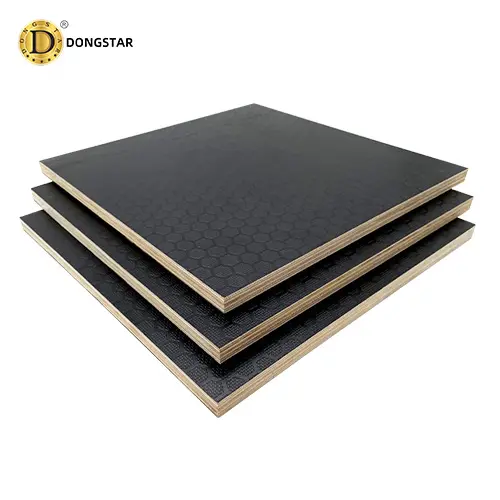
For formwork applications, the surface system has a different job. Film Faced Plywood should be assessed for film condition, edge sealing, panel flatness, bonding quality, and suitability for the specified construction use rather than purchased only by film color or stated panel thickness. Repeated use on site depends on handling, exposure, concrete conditions, cleaning, storage, panel construction, and coating condition, so a fixed reuse number should not be promised without defined operating conditions.
Compliance checks should run beside physical inspection rather than after it. FSC Chain of Custody certification, for example, requires certified material to remain identifiable and traceable through manufacturing and distribution. FSC states that certified businesses undergo annual surveillance audits, while certificates are valid for 5 years, subject to continued conformity. A buyer purchasing FSC-claimed plywood should therefore verify the supplier’s certification scope and transaction documentation rather than relying on a logo displayed in a sales brochure.
FSC’s own 2021 consumer research also reported that 8 in 10 surveyed consumers expected companies to ensure wood or paper products did not contribute to deforestation or wildlife damage, while 76% of those consumers placed strong importance on independent certification. Those figures do not measure plywood performance, but they explain why documented sourcing can matter to distributors and brands selling certified wood products.
European buyers also need to separate product quality from market documentation. In July 2026, the European Commission stated that updated measures were being introduced ahead of EUDR application beginning by the end of December 2026. Timber-related businesses selling covered products into the EU therefore need current product-scope and due-diligence information, not an old compliance statement copied from an earlier shipment.
A supplier profile can help buyers understand what the manufacturer says it offers, but the claims should still be checked against certificates, scope documents, test reports, declarations, and purchase specifications. One company description provided for this article states:
Dongstar Wood is a Vietnam-based plywood manufacturer and exporter under Dongstar Group, serving customers across 44 European countries since 2009. We specialize in commercial plywood, film faced plywood, construction plywood, birch plywood, furniture plywood, and customized plywood solutions.
Backed by CE 2+, FSC®, EUDR, DOP, and SEDEX (BSCI) certifications, we meet European standards for quality, sustainability, and compliance. With over 15 years of manufacturing and export experience, we support importers, distributors, furniture manufacturers, and construction companies with reliable plywood supply and OEM/ODM solutions.
For any supplier, certification review should use the same approach: check certificate number, legal entity, factory location, covered product scope, issuing body, validity period, and whether the ordered plywood falls inside that scope. A document issued 3 years earlier for another product family may have little relevance to the current order even when the company name appears correct.
Traceability then connects paperwork to physical production. Lot numbers, production dates, raw-material references, adhesive batches, press records, inspection sheets, packing lists, and container information allow a complaint to be narrowed to a defined run. Without batch identification, 20 defective sheets found after delivery may force the buyer and supplier to investigate an entire shipment rather than a smaller production lot.
Pre-shipment inspection should use random selection from finished goods. Inspectors can choose packs from different positions, open selected bundles, measure random panels, photograph markings, review packaging, and compare results against the signed specification. Inspecting 30 randomly selected sheets from several packs gives a different picture from reviewing 30 sheets placed beside the loading area by factory staff.
Documentation should also show what happens when material fails inspection. A functioning quality system needs a way to identify nonconforming panels, separate them from accepted goods, record the reason, rework or downgrade them where permitted, and prevent rejected stock from returning to the shipping lot. Records from 6 or 12 months of normal production can reveal whether the same defect keeps returning after corrective work.
Commercial evaluation becomes clearer once defect handling is measurable. Assume a buyer orders 2,000 sheets and receives a 3% unusable rate: 60 sheets require sorting, replacement, or disposal before counting machining losses or customer claims. A competing supplier priced slightly higher but delivering 1% unusable material leaves only 20 affected sheets under the same order size. The purchase-price difference should therefore be compared with usable output, inspection labor, rework, downtime, claims, and replacement freight.
Supplier approval should finish with repeatability across time. Review at least 2 or 3 normal production lots, compare factory records with independent inspection where necessary, and keep the approved specification attached to every purchase order. Consistent plywood supply is demonstrated by repeated measurements, traceable batches, current compliance records, and comparable results across separate production runs, not by one carefully selected sample.